Compare Business Accounts
Opening a business bank account is an important part of starting your own company. It will also help you keep personal and business finances separate, which is essential for accounting and tax purposes.
Having a separate business account will make it easier to track and report on the financial status of your company. You’ll have better control over your cash flow and be in a better position to grow your business.
It is a legal requirement for a Limited Company to have a dedicated Business Bank Account.
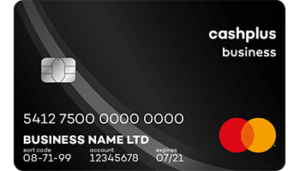 |
CashPlus Business | Price |
|---|---|---|
Features |
– No Credit Checks | Online and App Only
– Instant Account Number & Sort Code – Categorized Spending + Reports – Deposit Cash at Any Post Office – UK Customer Services + Phone Support – Manage and Pay bills, Invoices, Wages and more |
FREE |
Fees |
Standing Order/Direct Debit – FREE
Mastercard Card – £9.95 (refunded on acceptance) UK ATM Fee – £2 |
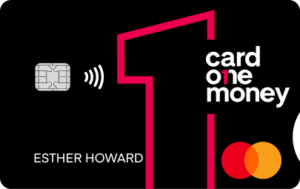 |
CardOneMoney Business | Price |
|---|---|---|
Features |
– No Credit Checks | Online and App Only
– Expense Cards for up to 4 employees – IBAN & Swift Payments (Business Account) – Deposit Cash & Cheques – UK Customer Services – Manage and Pay bills, Invoices, Wages and more |
£12.50 P/M |
Fees |
Standing Order/Direct Debit – £0.30
Next Day Payment – £0.30 UK ATM Fee – £1.50 International ATM Fee – £3 Foreign Transaction Fee – 2.75% Cheque – 0.75% |
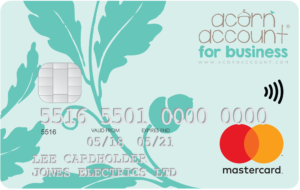 |
Acorn For Business | Price |
|---|---|---|
Features |
– No Credit Checks | Online and App Only
– Expense Cards for up to 4 employees – IBAN & Swift Payments (Business Account) – Deposit Cash & Cheques – UK Customer Services – Manage and Pay bills, Invoices, Wages and more |
£12.50 P/M |
Fees |
Standing Order/Direct Debit – £0.30
Next Day Payment – £0.30 UK ATM Fee – £1.50 International ATM Fee – £3 Foreign Transaction Fee – 2.75% Cheque – 0.75% |
Business Banking
Business Bank Accounts
Opening a business bank account is an important part of starting your own company. It will also help you keep personal and business finances separate, which is essential for accounting and tax purposes.
Having a separate business account will make it easier to track and report on the financial status of your company. You’ll have better control over your cash flow and be in a better position to grow your business.
Another advantage of opening a business bank account is that it can provide protection against liability for the business’s debts or lawsuits. Although this varies, there are many cases in which not having a separate account could put your personal assets at risk.
It is a legal requirement for a Limited Company to have a dedicated Business Bank Account.
What to look for in a business account
What services and features are important to you: The availability of these can vary greatly from one financial institution to another.
Account fees and interest rates: how much does it cost to open the account—and, more importantly, maintain it? How much interest will your business earn on the money in the account?
Any individual requirements you have: For example, if you’re looking at a business bank account that pays interest on your balance, what is the minimum required balance to qualify for interest?
Banking options (online, mobile, branch): Do you prefer online banking or do you need in-person access at a local branch?
Minimum balance requirements: If there is a monthly fee for the bank account, what is the minimum average monthly balance required for this fee to be waived? You’ll also want to check whether there’s a minimum transaction requirement each month; if not met, this may also result in an additional charge.
Banking services (debit cards, cheque payments, online bill pay): Some financial institutions offer these as part of their standard package while others charge extra.
How to choose a bank
Finding a Business Bank you like and feel is a good fit for your needs can be difficult. A bank’s size can determine how competitive the loan industry it participates in is and how much power it has over other financial institutions. A large number of banks usually means competition, but smaller banks are more likely to be more attentive to their customers’ needs—so they’re often a better choice if you want personal attention (and you do).
The product. Different products may come with different perks, but there are some common ones that cut across every financial institution. For example, most banks will offer at least checking accounts, savings accounts, and online services—but there may be services such as loans or credit cards that only certain banks offer (the big banking companies certainly do).
The fees. Business Bank Accounts often come with monthly fees. Banks will often charge fees for things such as ATM withdrawals or Paying in Cheques; if this is of concern to you, ask about them before choosing a bank to learn about any potential fees associated with your account’s features.
Customer Service – You want to chose a Bank that offers great customer service and has representatives that can assist with any queries or problems that arise.
What documentation do you need to open an account?
When you’re ready to open a business bank account, you’ll want to have the following documentation to hand:
• your Company registration number/name, articles of incorporation, or other formation documents
• a valid photo ID for each signatory on the account
• a copy of your business plan (larger banks may require this)