Energy – What to do?
Put simply, the energy market right now is nothing short of chaotic.
Gas prices were stable or falling for much of the period between 2013 to 2020. Towards the end of 2021, they increased. The average bill for the year was £575 compared with almost £700 in 2014.
Electricity prices however have increased for much of the last decade. The average bill was £760 in 2021 compared to £450 in 2020, a 36% increase.
Fast Forward - The energy price cap increased by 12% in October 2021 followed by an eye-watering 54% in April 2022. In monetary terms the April increase was equivalent to £700 for ‘typical’ levels of dual fuel consumption paid by direct debit.
Higher wholesale prices, especially with tensions in Ukraine, have led some to speculate that the cap could increase by a further 40-50% in October 2022.
For UK households, energy rises paired with the cost of living crisis is causing serious financial strain. The situation looks bleak and although the government have, and will hopefully continue to offer "support packages" to try and mitigate the financial pain, it's becoming apparent that more needs to be done.
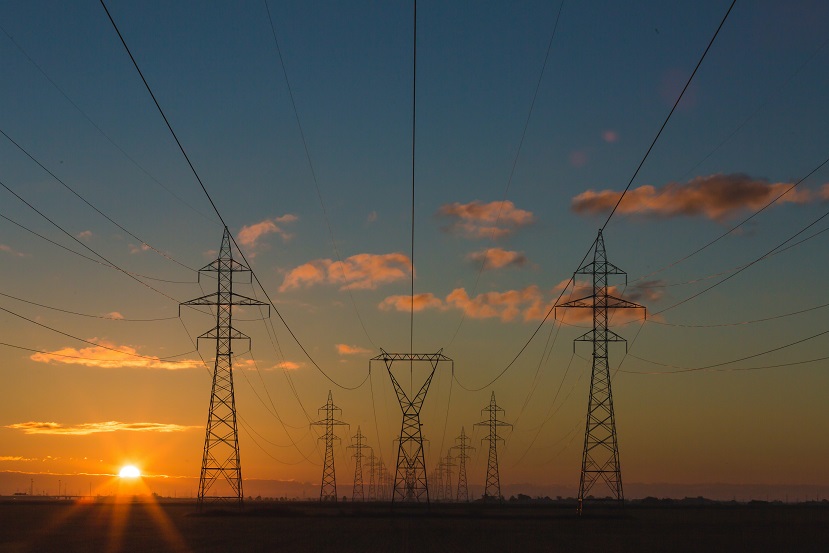
Switching provider at the moment is not an option, so our Energy comparison is currently non-functional. Instead we will provide information to help keep you informed. The moment Energy suppliers release new tariff’s that provide value, we will get back to what we do best. Saving you money.
You can look to reduce your electricity bills by making some simple household changes, one easy solution is to replace Halogen bulbs and opt for Energy Efficient LED bulbs. LED bulbs use far less electricity and last much longer.
You can check out our Energy page for more information.
Government support packages
In February 2022 the Government announced a package of support to help households with rising energy bills, including a £200 upfront discount on bills in October 2022 (paid for by customers in £40 instalments over the following five years), a £150 Council Tax rebate for around 80% of households in England, £144 million in discretionary funding for local authorities and £715 million for the devolved administrations.
On 26 May 2022 the Chancellor announced a further package of measures intended to help with the cost of living, including higher energy bills, in 2022‑23. This included:
Doubling the upfront discount on bills to £400 for all households and scrapping the requirement for it to be repaid.
A £650 one-off payment to around 8million households on certain means tested benefits
A £150 one-off disability cost of living payment for people who receive certain disability benefits
A one-off £300 payment for over 8million pensioner households
An additional £500 million of local support through the Household Support Fund.
Households can receive multiple elements of this package if they are eligible. The total value of this additional support in 2022-23 is £15.3 billion. The gross cost is £21.3 billion as it converts £6.0 billion of earlier support from a loan to a grant.
This extra spending will be partly supported by a new windfall tax the ‘Energy Profits Levy’ which the Government expects to raise £5 billion in its first year.
– Source Commons Library Parliament –
Update 8th September
The Government have introduced the Energy Price Guarantee which will limit the price suppliers can change for each unit of electricity. This cap means your annual bill will not go above £2500 from October and will last for two years.
The Current Status of the Market
The energy regulator Ofgem, is trying to protect consumers through its ‘Energy Price Cap’ which, whilst energy prices have increased significantly, is helping to protect energy bills from the full volatility of current wholesale gas prices.
In addition, energy suppliers simply do not have many (or any) tariffs to offer customers. This is simply because at current, the price of wholesale gas is so high it isn’t feasible to offer customers anything close to a “competitive” deal.
The advice to consumers is to remain with your current supplier on their “Standard Variable” tariff which will be significantly cheaper than anything else at least until 30th September 2022.